
WHOOP MG: First steps toward replacing doctors?
Last week, I received my new WHOOP MG (Medical Grade).
I’d been using the WHOOP 4.0 for almost a year, but I wasn’t entirely convinced it was worth renewing. I tracked sleep, recovery, and strain consistently, but I often wondered if I was truly getting meaningful value from all that data. Then came a promotional email about the new WHOOP MG. The idea of medical-grade health tracking caught my attention, and curiosity quickly took over. Without thinking too much, I signed up for the upgrade almost on impulse. It made me wonder: is this the first step toward replacing doctors in my life?
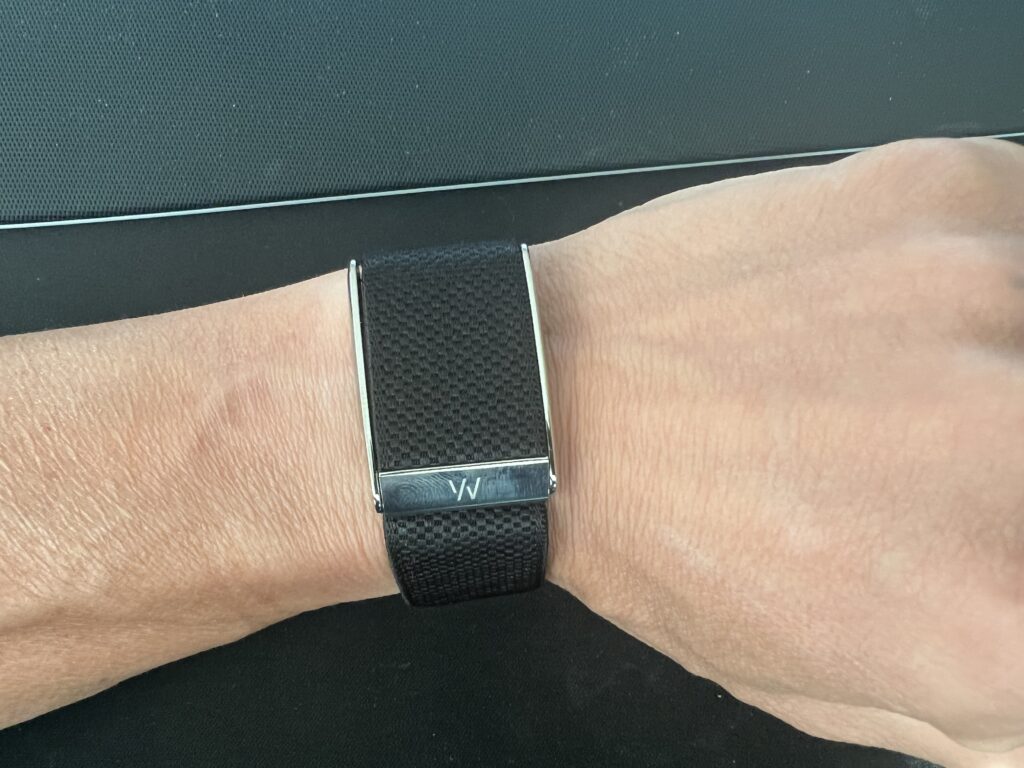
Now, just a few days in, I find myself questioning the decision, not because it’s a bad device, but because tools like this can start to play tricks on your mindset. When you rely on metrics and data as much as I do, it’s easy for that constant feedback to shift from being helpful to being overwhelming.
When tech becomes mental noise
Most of WHOOP’s findings so far are things I already knew intuitively, but now they’re measured and visualized every single day. It’s confirmation, yes, but also constant surveillance.
There are a few takeaways WHOOP keeps confirming for me:
- Alcohol consistently lowers my sleep quality.
- Stress from work has a direct impact on how well I sleep.
Neither is surprising, but the numbers make it impossible to pretend otherwise.
But what’s been harder to accept is how inconsistent the data seems across platforms. When comparing WHOOP to my Garmin Forerunner 965, the sleep stage breakdown often looks completely different: deep sleep, REM, awake time… sometimes they don’t even come close.
Then there’s the VO₂ max: Garmin says I’m at 61, WHOOP says 51. That’s not a rounding error. It’s a difference that could mean I’m elite… or not even close. So which one is right?
Habits, questions, and obsessions
One daily ritual WHOOP encourages is answering a morning journal. A set of yes/no and scaled questions about habits, stressors, and lifestyle choices. I’ve created a preset template to avoid retyping every day (creature of habit here).
But here’s the paradox: some nights, I find myself lying awake, stressed about whether I’ll get a good sleep score and then sleep poorly because of it. It’s a vicious cycle of sleep anxiety, ironically caused by a tool meant to improve rest.
Yet, despite that, WHOOP has led to some meaningful behavior changes:
- I’ve reduced my wine intake at dinner.
- I avoid eating late in the evening.
- I’ve moved intense evening workouts (like speed intervals) to lunchtime so my body has more time to wind down.
These are all positive changes, but they raise a bigger question: Am I still living intuitively, or am I adjusting my life around the metrics?
The recommended bedtime feature is one aspect I haven’t quite managed to follow. It often feels too strict, more guided by an algorithm than by real life. WHOOP frequently suggests I head to bed around 09:30 p.m., but most evenings, I’m just not mentally ready to shut down that early. Even so, I’ll admit there’s a hint of guilt every time I stay up later than it recommends.
Is WHOOP worth It?
Whenever someone asks me, “Is WHOOP worth it?” I hesitate.
With the WHOOP 4.0, my answer was: “It depends.”
Depends on what, really? On how deeply you believe numbers can tell the truth about your body? Or on how far you’re willing to go in quantifying your own life?
It didn’t always feel truly necessary, particularly when Garmin already gave me pretty similar insights. But then came the WHOOP MG, promising medical-grade precision, and I went for it.
Did I jump too soon? Should I have waited for more independent reviews before committing to the more expensive model? Possibly. Still, I think the best way to know what a tool can offer is to actually put it to the test.
First impressions of WHOOP MG
I haven’t explored every feature yet, but here’s what has stood out so far:
🧬 Healthspan
One of the new features I find most interesting is Healthspan. It combines metrics like VO₂ max, step count, recovery trends, and sleep consistency to estimate your biological pace of aging. According to WHOOP, I’m aging 9 years younger than my actual age, which was a pleasant surprise and, admittedly, a great motivation boost. Still, I can’t help but wonder: how much faith should I really put in that number?
🫀 Electrocardiogram (ECG)
Yes, you can take an ECG directly from your wrist. I’ve done it once, and it confirmed a normal sinus rhythm. The bigger question is: how often should I be doing this? Could this become another metric I start obsessing over?
💉 Blood Pressure Insights
I haven’t explored this feature yet, but it’s one I’m especially interested in. During heavy training blocks, cardiovascular stress isn’t just a number. It’s often the tipping point between peak performance and hitting the wall.
From preventative to prescriptive?
The rise of preventative health tracking brings to mind, though with some caution, Theranos, the company that once promised revolutionary at home blood testing but ultimately collapsed under the weight of its false claims. WHOOP, of course, is a different story. It doesn’t claim to diagnose or treat conditions, but it does sit in that grey area between a wellness tool and a medical device. That fine line raises important questions about how much trust we place in wearables and where their true value lies.
The real question is whether wearables can genuinely help detect early signs of disease or if they’re simply offering well designed, data driven reassurance. I’d like to believe they can make a real difference, but I don’t have the medical background to say that with confidence.
The future: Tech vs. human touch
Lately, I’ve been thinking about a broader question:
Will wearables eventually replace the roles of coaches, nutritionists, or trainers? They’re incredibly advanced when it comes to numbers and trends but still far from capturing the nuance of human support.
No algorithm can sense your doubt during a run, adjust your goals on the fly, or say the exact thing you need to hear after a tough day. Not yet, anyway.
Still, I’m a big believer in the role tech can play in extending lifespan and improving our day-to-day habits. The key is to keep it in check. Use the data but don’t let it use you.
Balancing structure and flexibility
As helpful as wearables are, they raise an important question:
How do we use these tools to improve our health without letting them take over our lives?
It’s easy to fall into the trap of optimizing everything – sleep, recovery, diet, performance – until the process itself becomes exhausting. The very thing meant to bring balance can start to create pressure.
I’m still working it out. Like most people, I think. It’s a daily balancing act.
A word on privacy
Let’s not ignore the elephant in the room: data privacy.
We’re feeding massive amounts of sensitive health data into platforms like WHOOP and Garmin. Are these companies storing and using it responsibly? Could this data be used to help public health research, or sold for commercial purposes?
I don’t oppose data collection if it’s ethical and transparent, and truly used for the greater good.
Likes & Dislikes so far
👍 What I like
- Noticeably longer battery life compared to WHOOP 4.0
- Medical-grade features like ECG, Healthspan, and blood pressure insights
- A deeper focus on preventative care, not just performance
👎 What I don’t
- Incompatibility with my old WHOOP 4.0 straps (which I had a few of!)
- The new strap feels less durable, and the clasp can be a bit of a hassle to close
Final thoughts
WHOOP MG is a fascinating piece of technology that’s powerful, ambitious, and not without its flaws. Whether it becomes an essential tool or another obsession will depend on how I use it.
I’m not looking for a replacement for my doctor, coach, or instincts. I’m looking for a smarter lens into my health and performance. WHOOP MG might just be that, if I learn how to listen to it without losing touch with myself.
Discover more from Run to the Next Mile
Subscribe to get the latest posts sent to your email.
Comments are closed