
This is a question I’ve asked myself more than once and I’m guessing I’m not alone.
I’ve worked with four different running coaches over the past few years. Each brought something different to the table. Some pushed me, some structured me, and one is still guiding me today. None of them were bad. In fact, every experience taught me something valuable. But my journey hasn’t been straightforward.
I’m a motivated runner. Discipline isn’t my problem. I don’t need someone to tell me to show up. I do that already. What I’ve been searching for is something else: someone who can challenge me, balance my intensity, and help me turn potential into performance.
Over the years, the relationship with coaching has shifted. From excitement to frustration, from complete independence to cautious trust. Still working with one coach today and still trying to figure out what kind of support really makes the difference.
This is not a dramatic story. Just an honest one about what it means to seek improvement, expect a lot, and sometimes wonder if the best coach is the one already inside.
Chapter One: Chicago – The DNF that changed everything
My first coach was Portuguese. We never met in person, which was new for me. Imagine putting your running prep in the hands of someone who’s never observed your form, doesn’t know how you handle fatigue, and has zero context for your past training. But I was excited, especially when I asked him to prepare me for the 2022 Chicago Marathon, aiming for sub-3:20.
It felt like I was entering a new world: structured intervals, threshold runs, syncing plans to my watch. I was all in. I treated each session like a performance. I didn’t want to let him down.

And then… DNF.
Chicago didn’t just beat me. It bruised my confidence. But it wasn’t the coach’s fault; the injury that threw everything off was caused by overtraining. His plan was too conservative for my liking, so I added extra miles. And then more. Until my body finally said: enough.
Nine months of recovery followed. Nine months of barely running. When I came back, I decided to go solo; no coach, no app, no plan. Just instinct.
The Lisbon rebirth
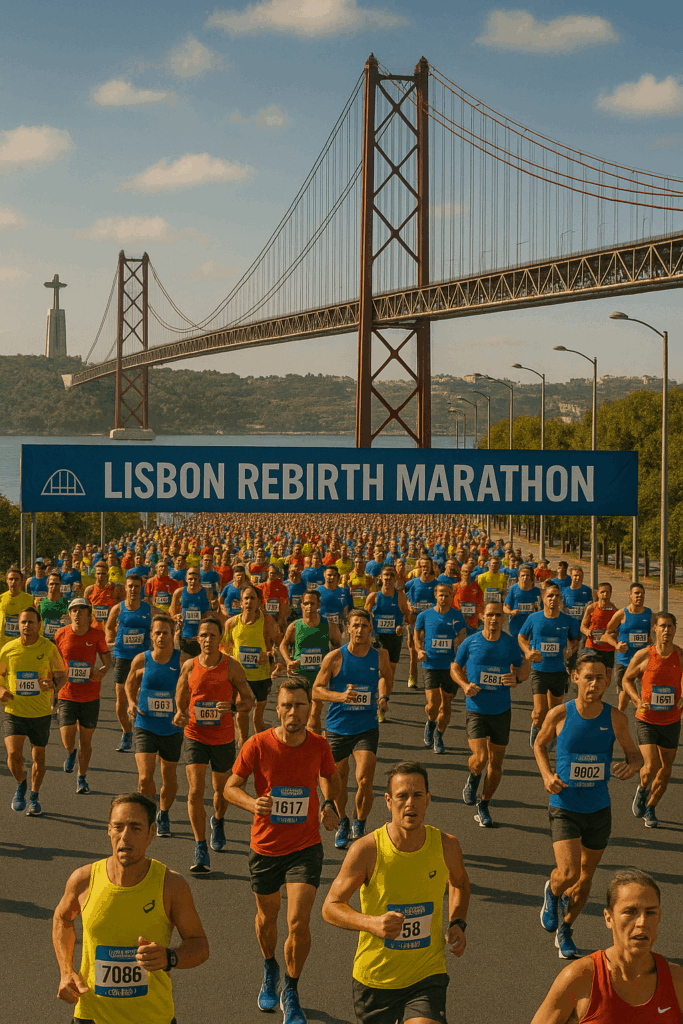
Sometimes, less structure brings more freedom. I trained intuitively and ran Lisbon Marathon almost exactly a year after Chicago. To my surprise, I hit a new PB.
I was back.
So I kept going, my way. I used what I’d learned from books, podcasts, and research to prepare for Valencia. Was it reckless to run two marathons in two months after a long injury break? Definitely. But it felt right. Lisbon was supposed to be a long run for Valencia. I even planned to stop at KM 32. But I couldn’t. The ghost of Chicago was still running beside me, whispering: Don’t quit again.
I didn’t.
And I ran another PB sub-3:05.
Still chasing sub-3: London & another coach
With momentum on my side, I aimed for the holy grail: sub-3. I hired a new coach for London Marathon; also Portuguese, also online. We met once. His training plan made sense, and this was the phase where I started doing double sessions and heavy mileage.
I PB’d again in London but didn’t break 3 hours.
What frustrated me most wasn’t the race result. It was that, in the most critical week, marathon week, my coach was unreachable. No race plan. No strategy talk. That threw me off mentally. I needed more. Not just a plan, but guidance.
So I ended that coaching relationship. Maybe I am too demanding. If you’re aiming high, you need someone who’s in it with you, not just cheering from the sidelines.
Going global: Searching for the “Perfect Coach”
That experience made me think: “if I’ve only worked with online coaches based in Portugal, why not open the door to global options?”
So I did.
I found a U.S.-based coaching platform featuring top-tier profiles. Experienced, qualified, inspiring. And pricey. Still, I interviewed a few and chose one for Frankfurt Marathon. The onboarding was smooth. The platform worked fine. But then I saw the familiar pattern: dozens, maybe hundreds, of athletes getting generic plans with minor tweaks. Plans were uploaded weeks in advance and rarely adapted unless requested.
I realized: I could do this myself.
I stopped working with that coach too and returned to training on my own, driven by my own plan and motivation. I wore both hats: the coach and the athlete. And trust me, I was a tough coach!
The turning point: A coach who’s also a runner
Then one day, while browsing some running articles, I stumbled across a coach who was also a runner and a damn good one. That was new. None of my previous coaches had performed at a high level themselves.
What he said made sense. He spoke with honesty. His method felt right.
We connected. We talked. And I signed up.
It’s been five months now. So far, so good.
The biggest change? He cut my mileage, which, ironically, was exactly why I hired him. I needed someone to save me from myself.
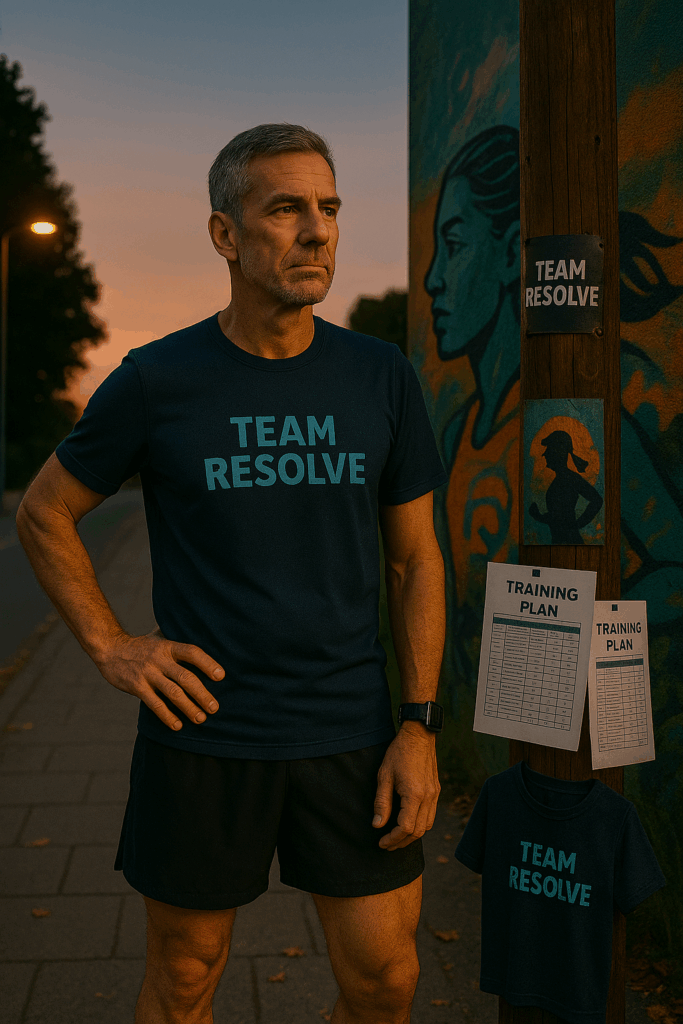
His plans feel more tailored, and while he doesn’t check in every day, he replies quickly when I reach out. He’s active in building a real community: WhatsApp groups, team merch, webinars, and events (mostly UK-based, so I can’t attend, but still appreciated). There’s a sense of belonging that I hadn’t experienced before.
Is it expensive? Yes.
Do I see major performance improvements yet? Not really.
But maybe now isn’t the moment to measure.
The 5K reality check
This morning, I ran a 5km trial. Treated it like a race, flat course, race shoes, full effort. And yet, I was 9% slower than expected. The first kilometer was on point. The rest… not so much.
Frustrating? Absolutely.
But I’m not blaming the coach. I’ll bring it up with him, and we’ll figure it out together. I still believe in the process. Results take time.
For now, I’ll stay the course, at least through Amsterdam Marathon. After that, I’ll reevaluate.
So… Do amateur runners need a coach?

If you’re someone who struggles with motivation, structure, or consistency – yes, a coach can change your life.
But if you’re already driven, if you love the process, and if you’ve learned to listen to your body… then the answer is more complex.
Sometimes a coach gives direction.
Sometimes they reflect back what you can’t see.
Sometimes they just help you hold back.
But if you’re not mindful, they can become a crutch.
The trick is knowing when to lean on them and when to lean on yourself.
As I asked in a previous post: Will coaches eventually be replaced by AI?
Maybe! But no algorithm can yet read your soul at KM 35.
Not yet, anyway.
Discover more from Run to the Next Mile
Subscribe to get the latest posts sent to your email.
Comments are closed